The strategic challenge
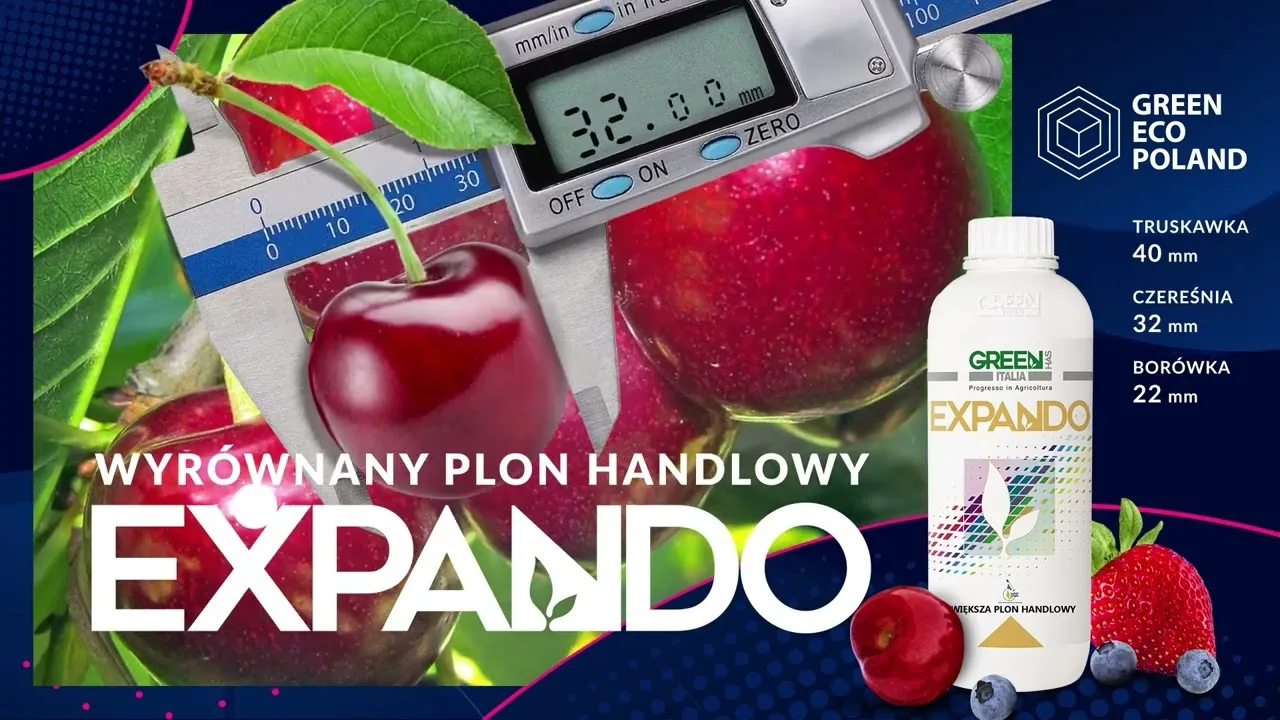
A niche agri-horticultural sector with a premium product (fertilisers, feeding programmes) but a digital footprint far smaller than the quality of the offer. The starting point: seasonal sales (March to September), no owned media equity, and online sales that needed to scale without cannibalising margin on paid acquisition.
- Saturated category visibility: the B2B and B2C horticultural market is dominated by incumbents with bigger budgets — a challenger will not win by brute force, it has to win on categorised content authority.
- Invisible expertise: a premium product plus agronomic know-how is strong social proof, but without a content marketing distribution channel it translated into neither lead flow nor direct sales.
- Budget seasonality: a nine-month buying window calls for compounding owned equity (content) rather than on-off paid bursts — paid alone will not build retention through the winter.
- Strategic mandate: build a compounding content engine that scales non-linearly over a long horizon and feeds e-commerce KPIs directly.
Solution architecture
A four-layer stack designed as one whole — owned content as the foundation, paid media as the accelerator, e-commerce as the conversion.
- Layer A — content velocity engine (YouTube 2017-2025): eight years of steady video production, from 50 starting videos to 1,500+ assets in the content cluster. Targeting the right demographic (35-50% retention) instead of broad reach (9-12% retention — the usual mismatch). Every video is an evergreen asset indexed by YouTube Search and Google alike.
- Layer B — performance acquisition funnel: Google Ads plus Meta Ads calibrated across the full funnel: 95k clicks a year at a CPC of 2.60 PLN, 8.5k add-to-carts (30 PLN each), 2.85k purchases (CAC 88 PLN). A budget of roughly 250k PLN a year → 5M PLN of revenue = ROAS 20×.
- Layer C — multi-channel remarketing: retargeting on o2 Poczta and Interia (reach within the Polish target group beyond the mainstream display network) plus first-party remarketing for people who visited the online store. Full end-to-end attribution of every transaction.
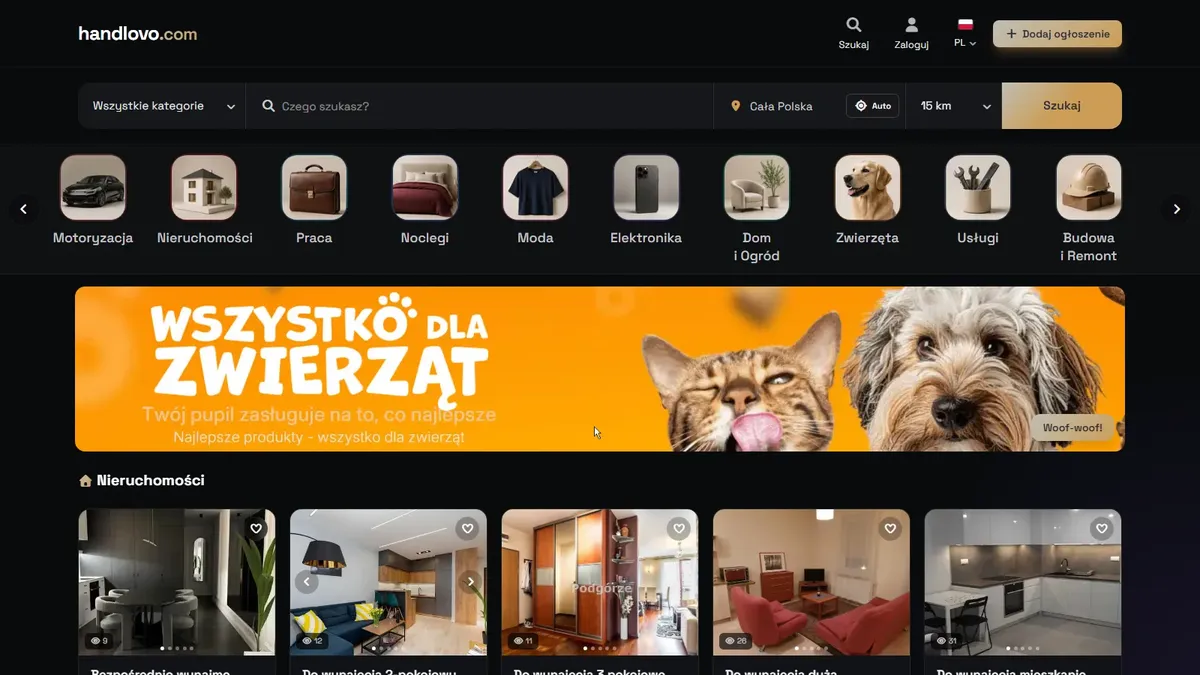
- Layer D — e-commerce rebranding + UX: a store rebrand (old versus new layout), UX/UI optimisation for conversion rate, BaseLinker integration across marketplaces (wholesale and retail joined into one data layer). No data fragmentation between sales channels.
Measurable results
Business outcomes measured at P&L level, not on vanity metrics.
- 5M PLN of annual e-commerce revenue on a 250k PLN advertising budget — ROAS 20× at a CAC of 88 PLN.
- 35.7% CAGR in sales from 2021 to 2025 — compounding growth typical of an owned-channel strategy and out of reach for paid-only acquisition.
- 1,500+ YouTube videos as owned media equity generating organic traffic with no recurring media cost — every video evergreen and indexed in both engines (YouTube Search + Google).
- Audience quality over quantity: 35-50% retention within the right target group (against an industry benchmark of 9-12% with broad targeting) — proof that the content is calibrated to business intent, not to viewer count.
- Multi-brand portfolio: the content + paid + e-commerce infrastructure is replicable across sister brands (Grunt to Warzywa, Kedar Agro) — one competence leveraged across three brands.
Development roadmap — Phase 2: portfolio expansion
The stack is proven — the next modules close the acquisition loop and replicate the playbook into neighbouring segments.
- Cross-brand content syndication: recycling YouTube content onto sister channels (Grunt to Warzywa, Kedar Agro) with brand-specific framing — zero marginal production cost.
- Lead Miner B2B integration: a custom B2B lead generation application connected to the CRM as a persistent lead source outside paid channels.
- YouTube Shorts content layer: short-form as an entry point for a younger demographic and for AI engines (the YouTube algorithm rewards shorts uplift).
- Marketplace expansion: scaling BaseLinker to further integrations (Allegro, Empik, Amazon) without fragmenting stock management.